Sewer Line Warning Signs: 7 Signs You Shouldn’t Ignore
Knowing the warning signs of a sewer line problem can help you address the issue before you're dealing with a much bigger mess.
Sewer line problems don’t always start with a major backup.
Sometimes the first warning is a drain that seems slower than usual. You may hear an odd gurgling sound from a toilet, notice an unpleasant smell, or find yourself dealing with the same clog over and over again.
Those symptoms can be easy to dismiss—especially if everything still seems to be working. But when problems affect multiple drains or keep coming back after the line has been cleared, there may be something happening farther down the sewer line.
Knowing the warning signs of a sewer line problem can help you address the issue before you're dealing with a much bigger mess. Here are seven signs that it may be time to have your sewer line checked.
1. Multiple Drains Are Running Slowly
One slow sink or shower can indicate a localized clog. But if multiple drains throughout your home are suddenly draining slowly, the problem may be farther down the plumbing system.
P
ay attention to whether sinks, tubs, showers, and toilets seem to be affected at the same time. When several fixtures are struggling to drain properly, there may be a restriction or blockage within the main line. And if you've already had the line opened but the problem keeps returning? That's an even stronger reason to investigate what's causing it.
2. You Hear Gurgling From Drains or Toilets
Your plumbing shouldn't regularly talk back to you. Gurgling or bubbling sounds from a toilet, sink, shower, or floor drain can happen when air isn't moving through the plumbing system as it should.
You might notice a toilet gurgling when someone uses a nearby sink or hear strange noises from a drain after flushing. Occasional plumbing noises aren't enough to diagnose a sewer problem on their own. But when gurgling happens alongside slow drains, recurring clogs, or backups, it's worth paying attention.
3. Sewage Is Backing Up Into Your Home or Building
This is the warning sign nobody wants to experience. Wastewater coming back through a toilet, shower, floor drain, or other fixture can indicate a significant blockage or problem somewhere in the system.
A sewage backup isn't just unpleasant. It can cause property damage and create sanitation concerns, so it should be addressed promptly.
Clearing the immediate blockage may get things moving again, but if you've experienced more than one backup, finding out why it's happening becomes especially important.
4. You Keep Dealing With the Same Clog
A clogged line can happen. The same line clogging repeatedly is different.
If you've had a sewer line opened only to have the problem return weeks or months later, there may be an underlying issue that clearing the blockage alone isn't solving.
Recurring sewer problems can be associated with conditions such as:
- Root intrusion
- Heavy buildup inside the pipe
- Cracks or damaged sections
- Deteriorating pipe
- Shifting or misaligned sections
- Other structural problems within the line
This is where a sewer camera inspection can become particularly useful. Instead of repeatedly treating the symptom, we can look inside the line to help identify what's actually causing the problem.
5. You Notice Sewage or Sewer Odors
Persistent sewage odors around drains, outside near sewer or septic components, or elsewhere on the property shouldn't be ignored. There are multiple potential causes for sewer odors, so smell alone can't tell you exactly what's wrong. But when an unusual odor appears along with drainage problems, backups, or other changes in your plumbing system, it's another clue that something may need attention.
6. Part of Your Yard Is Suddenly Wet or Extra Green
Sometimes a sewer line problem shows up outside before it causes an obvious problem inside. An unexplained soggy area, unusually lush patch of grass, or persistent wet spot along the path of an underground sewer line can warrant further investigation—particularly if there hasn't been enough rain or another obvious explanation for it.
Underground lines can be affected by cracks, breaks, deterioration, shifting soil, root intrusion, excavation, or other damage. If you don't know where your sewer or septic lines run, professional diagnostics can help narrow down the source of the problem.
7. The Problem Keeps Coming Back
This may be the most important warning sign on the list. If you're repeatedly calling someone to clear the same sewer line, there may be a reason it keeps clogging. Opening the line can restore flow, but it doesn't necessarily tell you what caused the blockage in the first place.
When a sewer problem becomes a pattern, it's time to move beyond:
“How do we clear this?”
and start asking:
“Why does this keep happening?”
That's when additional diagnostics can save a lot of frustration.
What Happens When You Call John Kline for a Sewer Line Problem?
Finding a sewer line problem doesn't automatically mean we're going to dig up your yard.
In fact, that's exactly what we want to avoid unless it's actually necessary. The appropriate next step depends on the symptoms and what we find, but here's how the process may work.
Step 1: Get the Line Flowing
If the line is blocked, the first priority may be to open the sewer line and restore flow.
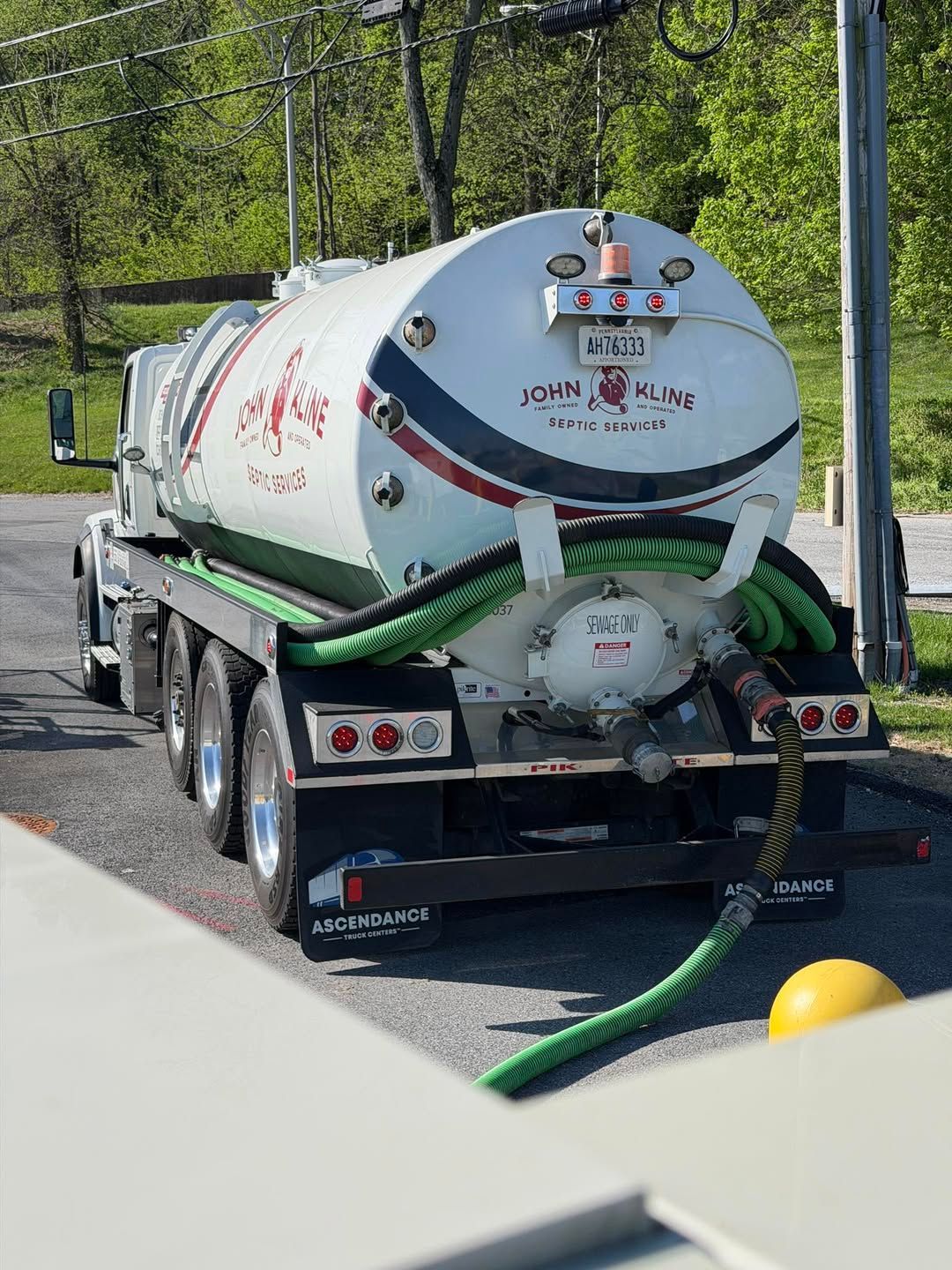
John Kline Septic Services has the equipment to address sewer and drain line blockages for residential and commercial properties.
Learn More About → Drain Line Opening
Step 2: Clean Heavy Buildup When Necessary
Sometimes simply opening a line isn't enough. Grease, scale, sludge, and other stubborn material can accumulate along the inside of a pipe and gradually reduce its usable diameter. Depending on the condition of the line, water jetting can help remove buildup more thoroughly using high-pressure water. For some older lines, additional pipe descaling may also be appropriate.
Step 3: Look Inside the Sewer Line
Once we're able to access the line, a sewer camera inspection can give us a much better idea of what's actually happening underground. A specialized camera travels through the pipe and provides video feedback from inside the line. Depending on the situation, we may be able to identify:
Roots • Cracks • Deterioration • Buildup • Damaged pipe • Other obstructions
This is particularly valuable when a line has been cleared multiple times but continues to have problems.
Learn More About → Camera Inspections
Step 4: Determine Whether the Line Needs Repair
Finding damage doesn't necessarily mean the entire sewer line needs to be replaced. Sometimes the problem is isolated to a specific section of pipe that can be repaired. Other situations may involve more extensive deterioration or damage.
The goal is to understand the location, type, and extent of the problem before recommending a repair.
Learn More About → Septic Repair vs. Replacement: How Do You Know What Your System Needs?
Can Tree Roots Really Damage a Sewer Line?
Absolutely—and this deserves special attention because it gives us the bridge to our next article in the cluster.
Tree and shrub roots naturally seek out moisture. If a sewer line has a vulnerable joint, crack, or opening, roots can find their way inside.
Once roots enter the pipe, they can continue growing and create a web that catches waste and debris traveling through the line. That can contribute to increasingly frequent blockages.
Root intrusion may also occur alongside existing pipe deterioration or damage. Removing the roots can help restore flow, but if the pipe itself is damaged, addressing the condition of the sewer line may be necessary to keep the problem from returning.
Does a Damaged Sewer Line Always Have to Be Dug Up?
Not necessarily. Traditional excavation is still the right repair method in some situations. But depending on the location and condition of the pipe, a damaged sewer line may qualify for a trenchless repair. John Kline offers trenchless UV pipe lining, which can rehabilitate qualifying pipes without excavating the entire length of the sewer line. A liner is installed within the existing damaged pipe and cured in place, creating a new pipe surface within the old line. This can significantly reduce the amount of digging required, which may help preserve:
- Lawns
- Landscaping
- Driveways
- Sidewalks
- Parking areas
- Other finished surfaces
Not every sewer line is a candidate for trenchless rehabilitation. A camera inspection and evaluation of the existing pipe help determine whether this approach is appropriate.
Learn More About → Trenchless Septic & Sewer Line Repairs
Don't Keep Clearing the Same Sewer Line
There's an important distinction between fixing a blockage and fixing the reason the blockage keeps happening. If your sewer line clogged once and hasn't caused another problem, there may be nothing more to investigate.
But if you're experiencing recurring clogs, multiple slow drains, sewage backups, unusual odors, or other persistent symptoms, it's worth finding out what's happening inside the line. The sooner you understand the cause, the sooner you can make an informed decision about what—if anything—needs to be repaired.
Sewer Line Diagnostics & Repair in Lancaster, PA
John Kline Septic Services provides sewer line opening, hot water jetting, camera inspections, pipe descaling, traditional sewer line repairs, and trenchless sewer repairs for homeowners and businesses throughout Lancaster County and surrounding areas. And because our team can handle the process from diagnosis through repair, you don't have to start over with another contractor if an inspection uncovers a larger problem. If your sewer line keeps backing up, don't just clear it again. Find out why.
FAQs About Sewer Line Problems
What are the first signs of a sewer line problem?
Slow drains, recurring clogs, gurgling fixtures, sewage odors, and backups can all indicate a potential problem. One symptom alone doesn't necessarily mean the sewer line is damaged, but multiple or recurring symptoms deserve further investigation.
Why does my sewer line keep clogging?
Recurring clogs can have several causes, including root intrusion, heavy buildup, deterioration, or physical damage within the pipe. A camera inspection may help identify why the same problem keeps returning.
Can a sewer camera find tree roots?
A sewer camera inspection can allow a technician to visually inspect the inside of an accessible pipe and may reveal root intrusion, cracks, buildup, or other visible conditions.
Can you clean buildup from a sewer line?
Depending on the pipe and the type of buildup, hot water jetting or pipe descaling may be used to remove accumulated material and improve flow.
Can sewer lines be repaired without digging up the entire yard?
Some damaged sewer lines may qualify for trenchless UV pipe lining, which rehabilitates the existing pipe while reducing the amount of excavation required. An inspection is necessary to determine whether a line is a good candidate.
Does John Kline repair sewer lines for businesses too?
Yes. John Kline provides sewer diagnostics, cleaning, and repair services for both residential and commercial properties. For businesses and facilities, our Commercial Septic & Sewer Repairs page provides more information about our commercial capabilities.
Share this post!
You might also find these helpful!