
Septic Inspections in Lancaster County & Central PA

Buying or selling a home with a septic system? Many municipalities in Central Pennsylvania require septic inspections before a real estate transfer, and even when they’re not required, a professional inspection can help prevent unexpected and costly problems.


At John Kline Septic Services, our PSMA-certified technicians provide septic inspections for homeowners, buyers, sellers, and real estate professionals throughout Lancaster County and surrounding areas. Whether you need a township-required inspection, septic certification, or a diagnostic inspection, our team can evaluate your system and provide clear, honest information about its condition.


We can also perform septic pumping during the inspection if needed, helping you complete the process efficiently and ensuring your system is ready for the next homeowner.

PROFESSIONAL SEPTIC INSPECTORS IN CENTRAL PA

Septic Inspections for Real Estate Transactions & More

Septic inspections are commonly required during real estate transactions, but they can also be helpful for homeowners who want to better understand the condition of their system.


You may need a septic inspection if:


  • You are buying a home with a septic system
  • You are selling a home and township regulations require an inspection
  • Your municipality requires septic system compliance
  • You want to verify the condition of an older septic system
  • You are experiencing drainage or septic performance issues
  • You want peace of mind before purchasing a property


Because septic systems are buried underground, an inspection is often the only way to determine whether the system is functioning properly before problems arise.

Who Needs a Septic Inspection?

What Is Included in a Septic Inspection?

A professional septic inspection helps verify the condition and functionality of your onsite sewage system. During an inspection, our technicians will:


  • Locate the septic tank and system components
  • Identify the size, layout, and condition of the system
  • Inspect tank components such as tees and baffles
  • Check for cracked pipes or structural damage
  • Measure sludge and scum levels
  • Evaluate system performance and drainage
  • Identify any visible signs of system failure


After the inspection, we provide documentation that can be used for township compliance or real estate transactions, along with recommendations if any maintenance or repairs are needed.
SEPTIC SYSTEM 101

Understanding How Your System Works

If you’ve never owned a home with a septic system before, it’s helpful to understand how the system works and why inspections are important. Most septic systems include three main components:


Septic Tank

Wastewater from the home flows into the septic tank, where solids settle to the bottom and form sludge while oils and grease float to the top. Natural bacteria begin breaking down the waste during this process.


Distribution System

Partially treated wastewater flows out of the septic tank through distribution pipes or a distribution box that directs the liquid evenly into the drainfield.


Drainfield (Absorption Area)

The drainfield is made up of soil and stone where natural bacteria complete the wastewater treatment process. The soil filters the water before it safely returns to the environment.


Over time, solid waste builds up in the tank and must be pumped out regularly, typically every 2–3 years, to prevent damage to the system. A septic inspection helps verify that each part of the system is functioning as it should.

Not all inspections are related to real estate transactions. Sometimes homeowners request a diagnostic inspection when something doesn’t seem quite right.


If your septic tank has recently been pumped but you are still experiencing problems, our team can perform a site visit or diagnostic inspection to identify the cause.


During a diagnostic inspection we may:


  • Check the tank and system connections
  • Inspect pipes, tees, and baffles
  • Measure scum and sludge layers
  • Evaluate distribution boxes or septic pumps
  • Assess the condition of the drainfield


This process helps determine whether the issue is related to the septic system itself or another plumbing problem within the home. Addressing septic issues early can help prevent system failure or costly repairs down the road.

SEPTIC REPAIRS

Diagnostic Septic Inspections & Troubleshooting

Frequently Asked Questions

You have questions, we have answers.

RESIDENTIAL SEPTIC INSPECTIONS

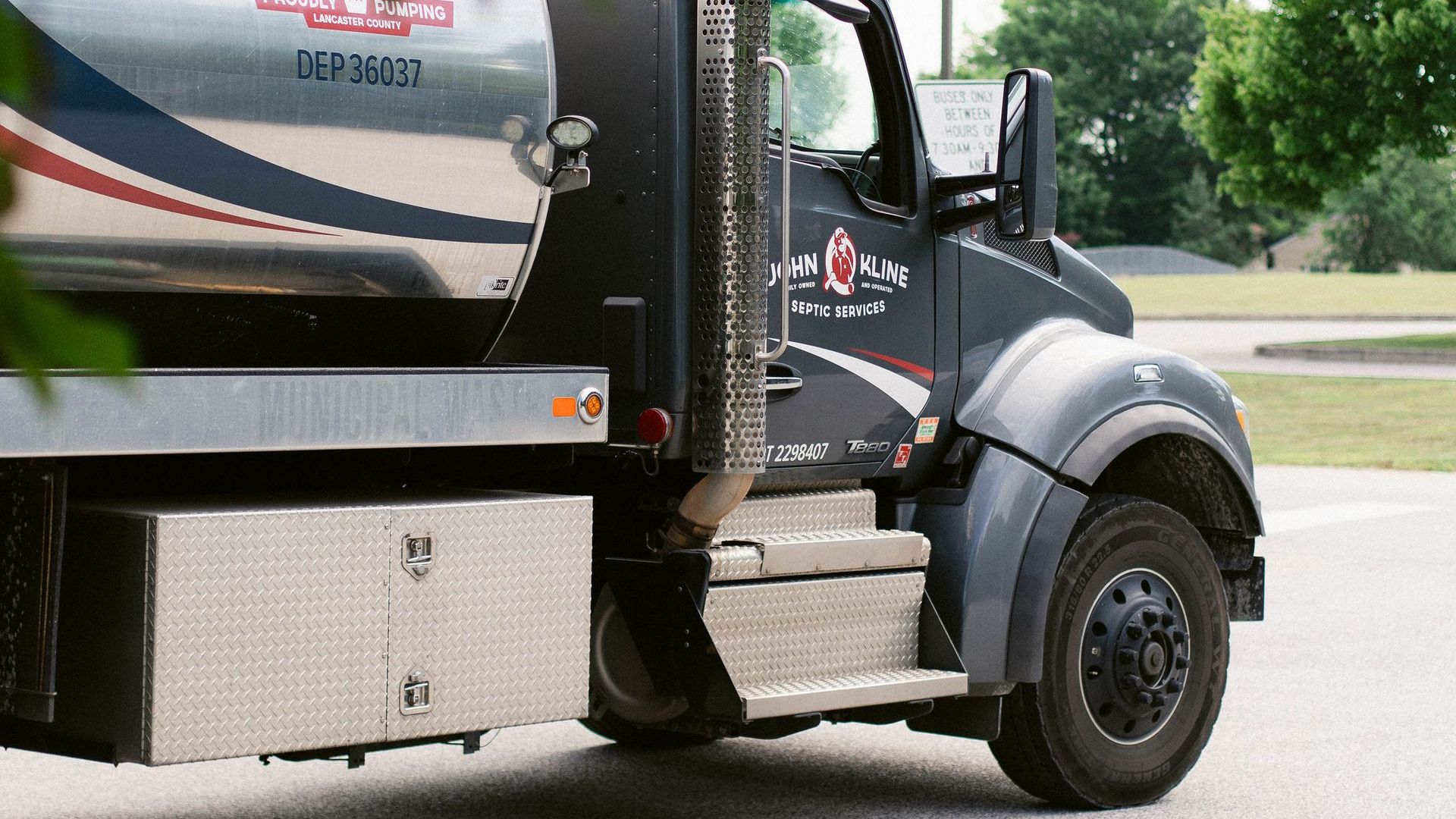
John Kline septic pumping box truck in Lancaster, PA home
  • How often should a septic system be inspected?

    Most septic systems should be inspected every 3–5 years during routine septic service, though inspections are often required when buying or selling a home.

  • Is a septic inspection required when selling a home?

    Many municipalities in Central Pennsylvania require septic inspections before a property transfer. Requirements vary by township, so it’s best to check local regulations.

  • What is a septic certification?

    A septic certification is a document stating that the onsite sewage system has been inspected and found to be functioning properly according to current standards.

  • Can the septic tank be pumped during the inspection?

    Yes. In most cases, septic pumping can be performed at the same time as the inspection if needed.

  • What happens if the system fails the inspection?

    If problems are found, our technicians will explain the issue and provide recommendations for repairs or improvements.

  • How long does a septic inspection take?

    Most inspections take 1–2 hours, depending on the type of system and accessibility of components.

  • Do all septic inspections require a hydraulic load test?

    No, not every septic inspection requires a hydraulic load test. These tests are typically only required when a property has been vacant for more than 7 days prior to the inspection. When a home has not been occupied, the septic system hasn’t been receiving normal water usage, so a hydraulic load test may be used to simulate typical household water flow and ensure the system and drainfield are functioning properly.


    If a hydraulic load test is required for your inspection, our technicians can perform the test and provide the necessary documentation for township compliance or real estate transactions.


    👉 Learn more about hydraulic load tests and when they may be required.

Why choose John Kline Septic for your next residential septic inspection?


When it comes to septic inspections, experience matters. Our team has been serving homeowners throughout Lancaster County and Central PA for years, providing reliable septic services and honest recommendations. Homeowners and real estate professionals choose us because:

  • Four Generations of Family-Owned Service
  • PSMA-certified technicians
  • Experienced with township inspection requirements
  • Clear inspection reports and documentation
  • Honest assessments of system condition
  • Ability to pump the tank during inspection if needed
  • Friendly, knowledgeable local service

If you need a septic inspection in Lancaster County or Central Pennsylvania, John Kline Septic Services is here to help. Our team can coordinate inspections for homeowners, buyers, sellers, and real estate agents, providing reliable service and clear documentation for your records. Contact us today to schedule your septic inspection or request a quote.
Get a Quote


Contact Us

SERVING LANCASTER, YORK, LEBANON & DAUPHIN PA

Additional Residential Septic Services

Septic Tank Pumping

Professional septic pumping services to remove built-up solids, maintain proper system function, and help prevent costly backups or drainfield issues.

hydraulic load test icon

Hydraulic Load Tests

Hydraulic load testing to assess how well your septic system handles water flow and identify problems before they lead to system failure.

Water flowing from a pipe into a body of water.

Sewer Line Opening

Sewer line opening services to clear blockages, restore flow, and resolve backups caused by debris, roots, or buildup in the line.

pipe descaling services icon

Pipe Descaling

Pipe descaling services to remove built-up scale, debris, and mineral deposits that restrict flow and contribute to recurring backups.

septic system pump repairs icon

Pump Repairs

Expert septic pump repairs to restore proper system function and prevent sewage backups caused by failing or malfunctioning pumps.

septic system repairs icon

Septic System Repairs

Comprehensive septic system repairs to address damaged components, leaks, or performance issues and keep your system operating reliably.