Why Your Septic System Works Harder in the Summer (And What Lancaster County Homeowners Can Do About It)
Summer in Central Pennsylvania means backyard cookouts, family reunions, vacations, and plenty of time spent outdoors. It also happens to be one of the busiest seasons for your septic system.
At John Kline Septic Services, we often receive more calls during the summer months because increased water usage can put extra strain on residential septic systems. Whether you're hosting overnight guests, tackling extra laundry after summer activities, or simply spending more time at home, your septic system is working harder behind the scenes.
Fortunately, a few simple septic maintenance habits can help protect your system, reduce the risk of costly repairs, and keep everything flowing properly throughout the season.
If you're looking for septic maintenance in Lancaster, PA or wondering when it's time to schedule septic tank pumping in Central PA, these tips can help you stay ahead of potential problems.

Why Summer Is the Busiest Season for Your Septic System
Throughout Lancaster County and Central Pennsylvania, summer often means more people at home. Children are out of school, families host graduation parties and cookouts, and visitors stay for long weekends. While these memories are worth making, they also mean your septic system is processing significantly more wastewater than usual.
Think about everything happening around your home:
- Kids are home from school for the summer.
- Friends and family visit for weekends and holidays.
- You're washing extra towels, swimsuits, and bedding.
- Backyard barbecues mean more dishes and cooking.
- Everyone is taking more showers after spending time outside.
- Summer projects often increase water usage around the house.
None of these activities are harmful on their own. However, when they all happen at once, your septic system has to work much harder than it does during the rest of the year.
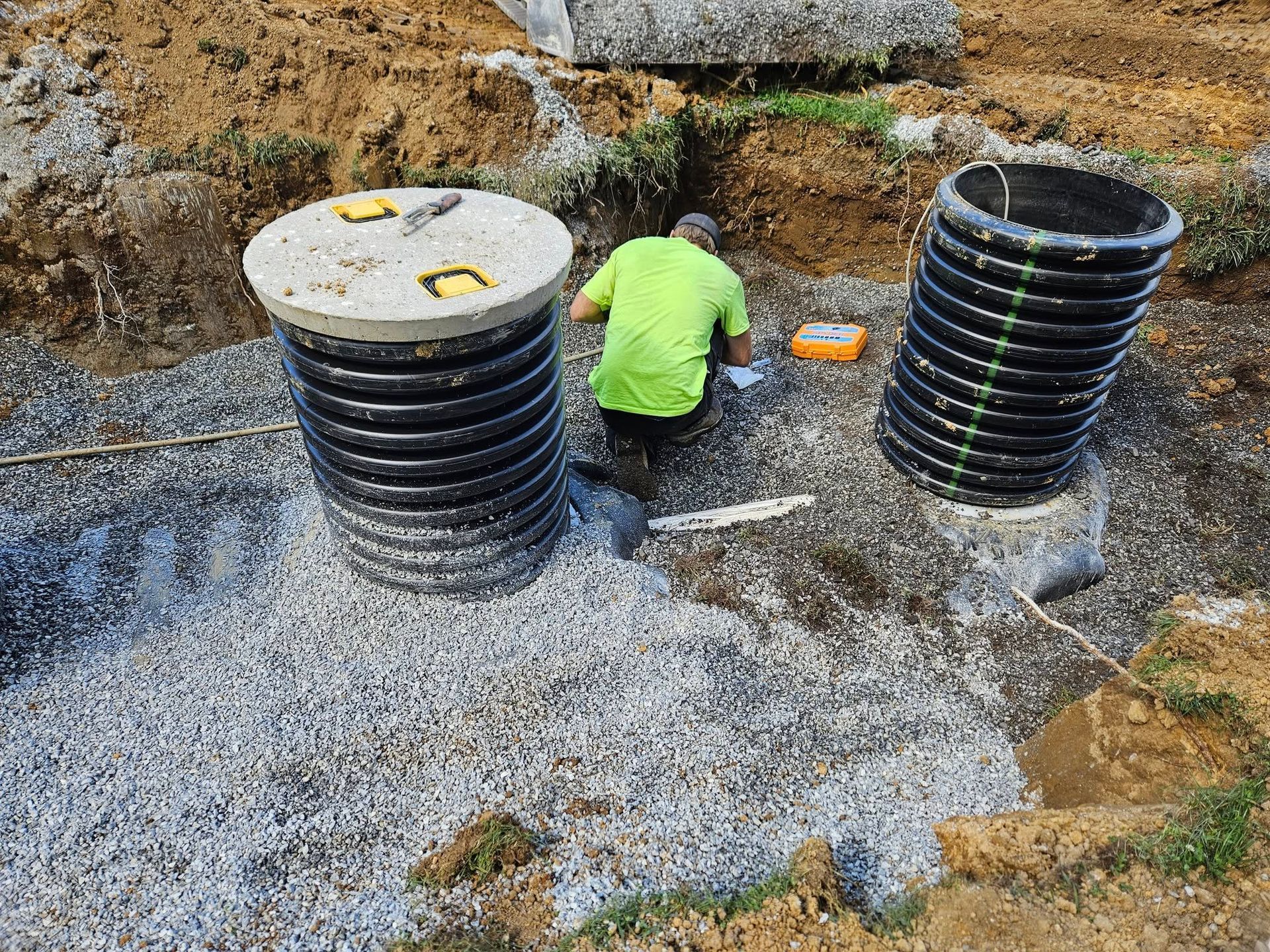
Your septic tank is designed to separate solid waste from wastewater before it enters the drainfield. When too much water enters the system in a short amount of time, it can reduce the amount of time solids have to settle properly. Over time, this can increase the risk of backups, clogs, and unnecessary wear on your septic system.
More Water Doesn't Always Mean Better
Many homeowners assume septic problems only happen when something inappropriate is flushed down the toilet. While flushing the wrong items can certainly cause issues, one of the biggest causes of septic problems is simply using too much water too quickly.
Running several loads of laundry back-to-back, having multiple guests shower within the same hour, and running the dishwasher repeatedly after a family gathering can overwhelm your septic system.
Instead of concentrating all your water use into one part of the day, try to spread it out whenever possible.
Simple habits like these can make a big difference:
- Space laundry loads throughout the week instead of doing them all at once.
- Run the dishwasher overnight rather than immediately after dinner.
- Encourage guests to stagger showers when possible.
- Repair dripping faucets or running toilets that continuously add water to your system.
These small changes give your septic tank the time it needs to properly separate wastewater, helping protect both the tank and your drainfield.
Protect Your Drainfield During Summer Projects
Summer is one of the busiest seasons for landscaping and home improvement projects throughout Lancaster County. Before installing a new patio, deck, pool, garden, or storage shed, make sure you know where your septic tank and drainfield are located.
Your drainfield is responsible for filtering treated wastewater back into the soil. Heavy equipment or excessive weight can compact the soil and damage underground components, reducing the drainfield's ability to function properly.
Avoid placing these items over your drainfield:
- Boats or trailers
- Campers and RVs
- Above-ground pools
- Storage sheds
- Firewood piles
- Construction materials
- Heavy landscaping equipment
Even driving a pickup truck across the drainfield repeatedly can create long-term damage that isn't immediately visible.
If you're unsure where your septic system is located, a professional inspection can help identify its layout before you begin outdoor projects.
Be Mindful of What Goes Down the Drain
Summer entertaining often means more cooking, grilling, and cleanup. While your septic system is designed to handle household wastewater, certain materials can interfere with its natural treatment process.
To help keep your septic system operating efficiently, avoid putting these items down your drains:
- Cooking grease or fats
- Coffee grounds
- Eggshells
- Large amounts of food scraps
- "Flushable" wipes
- Paper towels
- Feminine hygiene products
- Harsh household chemicals
Many products marketed as "flushable" don't break down as quickly as toilet paper and can contribute to blockages inside your plumbing or septic system. When in doubt, it's always better to throw these items in the trash rather than flushing them.
Watch for Small Warning Signs Before They Become Big Problems
Septic systems rarely fail without warning. In many cases, homeowners notice subtle signs weeks or even months before a backup occurs.
Knowing what to watch for can help you address small issues before they become expensive repairs.
Slow Drains Throughout the House
If multiple sinks, tubs, or showers begin draining slowly, your septic system may be reaching capacity or developing a blockage.
Gurgling Sounds in Your Plumbing
Bubbling or gurgling noises coming from toilets or drains can indicate wastewater isn't flowing properly through the system.
Sewage Odors
A healthy septic system shouldn't produce noticeable odors around your home or yard. Persistent sewage smells may indicate it's time for septic tank pumping or an inspection.
Wet Areas or Bright Green Grass
If one area of your lawn is unusually lush, soggy, or consistently wet, wastewater may not be dispersing properly beneath the surface.
Addressing these warning signs early can often prevent more extensive—and more expensive—repairs later.
Don't Skip Routine Septic Tank Pumping
One of the best investments you can make in your home's septic system is regular maintenance. Routine septic tank pumping in Central PA removes accumulated solids before they can interfere with your system or damage the drainfield. Most homes should have their septic tank pumped every three to five years, although the ideal schedule depends on several factors, including:
- Household size
- Septic tank capacity
- Daily water usage
- Whether you use a garbage disposal
- The age of your septic system
If you can't remember the last time your septic tank was pumped, summer is an excellent time to schedule service before small problems become major repairs.
Why Preventative Septic Maintenance Matters
Your septic system is one of the most valuable—and often overlooked—parts of your home. Regular maintenance not only helps prevent inconvenient backups but can also extend the life of your septic system and reduce the likelihood of costly repairs.
Professional septic maintenance may include:
- Routine septic tank pumping
- Septic inspections
- Camera inspections of sewer lines
- Drain cleaning and hydro jetting
- Identifying worn or damaged components before they fail
Staying proactive can save thousands of dollars over the life of your septic system while giving you peace of mind that everything is working as it should.
Learn more about preventative septic system maintenance here >>
Keep Your Septic System Running Smoothly This Summer
Whether you've lived in your home for decades or recently purchased a property with a septic system, regular maintenance is the key to protecting your investment.
For more than 70 years, John Kline Septic Services has proudly served homeowners throughout Lancaster County, York County, Lebanon County, Dauphin County, and communities across Central Pennsylvania with dependable septic services. From residential septic tank pumping and inspections to drain cleaning, camera inspections, and trenchless sewer repairs, our experienced team is here to help keep your septic system operating at its best.
If it's been several years since your last pumping—or you've noticed slow drains, odors, or wet spots in your yard—contact John Kline Septic Services today to schedule professional septic maintenance.
Frequently Asked Questions
How often should I schedule septic tank pumping in Lancaster, PA?
Most homeowners should schedule septic tank pumping every three to five years. However, larger households or homes with higher water usage may require more frequent service. A professional septic inspection can help determine the best schedule for your system.
Why does my septic system seem to have more problems during the summer?
Summer often brings overnight guests, children's summer break, outdoor entertaining, and extra laundry—all of which increase water usage. This added demand places more stress on your septic tank and drainfield.
What are the warning signs that my septic tank needs pumping?
Common signs include slow drains, sewage odors, gurgling pipes, standing water near the drainfield, or unusually green patches of grass. If you notice any of these issues, it's a good idea to schedule a septic inspection.
What is included in routine septic maintenance?
Routine septic maintenance may include septic tank pumping, inspections, sewer line camera inspections, drain cleaning, hydro jetting, and identifying potential problems before they become expensive repairs.
What areas does John Kline Septic Services serve?
John Kline Septic Services proudly provides septic maintenance, septic tank pumping, inspections, repairs, and emergency septic services throughout Lancaster County, York County, Lebanon County, Dauphin County, and surrounding communities across Central Pennsylvania. View all services here >>
Share this post!
You might also find these helpful!